The Unspoken Truth: What Developers Won’t Tell You About Under-Construction Projects in 2026
Thinking of buying an under-construction property in 2026? Discover the hidden risks developers rarely discuss—project delays, approval gaps, cost escalation, and RERA loopholes—before you invest.
Buying a home that hasn’t been built yet feels special. You’re not just purchasing materials; you’re starting a new life. But in 2026, it’s becoming harder to sort through the gap between polished brochures and the final keys.
If you’ve been looking at sample flats recently, you’ve probably heard similar sales pitches. However, there are some things the sales office won't mention. To make a wise decision, you need to see beyond the virtual tours and understand how the market really works.
1. The "Sample Flat" Psychology
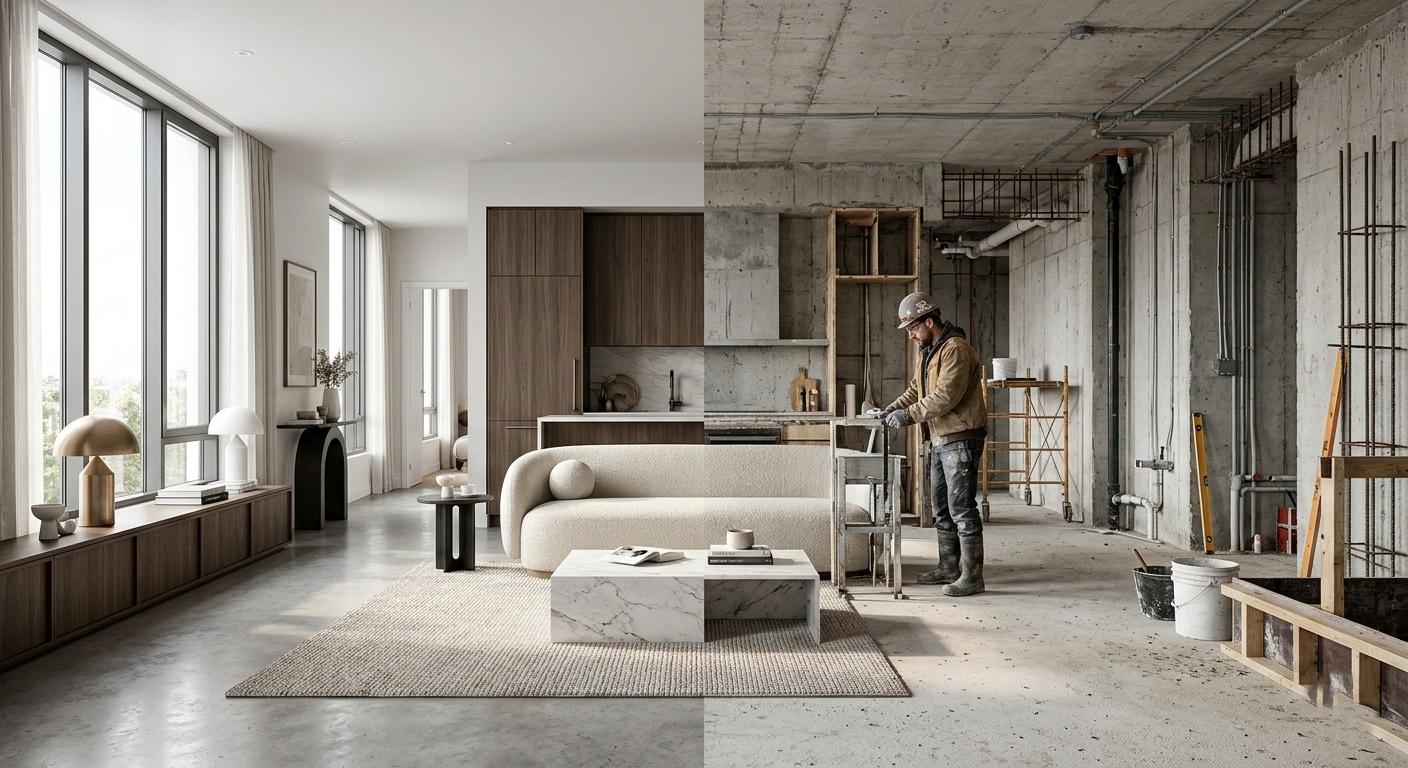
Stepping into a sample flat is meant to evoke feelings. The lighting is perfect, mirrors are strategically placed to make spaces look larger, and the furniture is often custom-sized—just a bit smaller than usual—to create an airy feel.
The Reality Check: Always ask for the actual dimensions of the bare shell. In 2026, smart investors are looking for real estate investment opportunities in 2026 that offer clear, honest floor plans instead of just pretty settings. Don’t let an attractive room distract you from checking the actual ceiling height and the placement of structural pillars.
2. Decoding "Super Area" vs. "Carpet Area"
This is where many first-time buyers end up losing money. A developer might say an apartment is 1,500 sq. ft., but your actual living space—the carpet area—might just be 1,100 sq. ft. You are essentially paying for the lobby, the elevator shaft, and the thickness of shared walls.
The Reality Check: Under RERA rules, developers have to reveal the carpet area. Before signing anything, make sure you understand exactly what you are paying for per square foot of usable space. A trusted real estate company will always be transparent about these numbers. If a developer hesitates to share these details, consider it a major warning sign.
3. The Rising "Hidden" Costs of 2026
In today’s market, the listed price is rarely the final amount you pay. By the time you’re ready to move in, several unexpected costs often arise:
- PLC (Preferential Location Charges): That “park-facing” or "corner" view usually comes with a premium cost.
- Infrastructure Charges: Fees for electricity meters, water connections, and sewage services.
- Advance Maintenance: It is becoming common for builders to request 2 to 5 years of maintenance fees paid upfront.
4. Construction Timeline vs. The RERA Date
A salesperson might assure you that possession will happen in "24 months," but the legal document (RERA) could state a date 48 months out. Builders often give themselves a massive time gap to avoid legal penalties for delays.
The Reality Check: Always trust the date on the official government portal instead of verbal promises from a sales agent. If a project is stagnant, no amount of "limited-time offers" will turn it into a good deal.
Conclusion
Buying an under-construction property can be a smart way to build equity, as long as you stay informed and ask the right questions. At Dhanbhumi, we believe that knowing exactly what you’re getting into is the only path to a successful purchase. Whether you’re looking for your first home or a strategic investment, the key is to verify every claim and choose transparency over empty promises.
Frequently Asked Questions
The major risks include project delays, approval issues, cost escalation, changes in promised amenities, and developer cash-flow problems that can impact delivery timelines.
RERA has improved transparency and accountability, but experts still highlight enforcement gaps, delayed possession issues, and loopholes that buyers must independently verify.
Common reasons include rising construction costs, labour shortages, funding issues, regulatory approvals, and poor project planning. Recent reports show material cost inflation is already impacting timelines across multiple states.
Buyers should verify the RERA registration number, approvals, construction progress, builder financial stability, escrow compliance, and realistic possession timelines before investing.
The price gap has reduced in many cities due to GST, delayed possession costs, and rising construction expenses, making ready-to-move homes more attractive for some buyers in 2026.

.png)